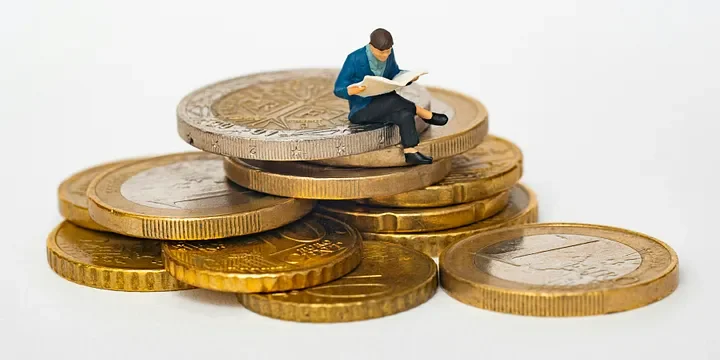
Money isn’t everything, but without it, you can’t do anything. So many people spend their whole lives doing one thing: making money. Many people make earning money their lifelong goal.
But so many people forget. What’s the purpose of making money? Is it to live a life of luxury? To live in abundance?
To make one’s material life more superior? Perhaps all of the above, but because of constantly striving to make money, they neglect the most important thing in life.
Money can buy a house, but it can’t buy a home. Money can buy physical health, but it can’t buy well-being. Money can buy friendship, but it can’t buy sincerity.
Although money has many uses, life only happens once, and health is the only thing. Even if you have a lot of money, without health, you have nothing.
Health accompanies us throughout our lives, from birth, and even small “issues” require a significant investment of time and effort.
There are many examples in life, such as a person spending their whole life earning money, only to end up in the hospital and using all the money they earned to exchange for their life, which might not even be successful.
Mr. Smith is a retired teacher from the revolutionary era, who dedicated his life to his work. From the moment he entered the school, all his attention was on his teaching. He taught Chinese, and often smoked to numb himself while grading papers and reading articles, leading to an even greater addiction to smoking.
To improve his family’s living conditions, Mr. Smith edited articles for a magazine after class every day. When he came home, he buried himself in his room, engrossed in various articles. To stay alert, he always smoked one cigarette after another. Late into the night, his feet were surrounded by a pile of cigarette butts.
Working two jobs, Mr. Smith’s health issue was discovered during a physical examination a year before retirement. Since the county hospital couldn’t confirm the issue, they suggested he go to a larger hospital for further examination. However, Mr. Smith was reluctant to spend money on hospital visits, so he concealed the results from his family and continued to work and smoke tirelessly.
In the second year of retirement, while at home editing an article, Mr. Smith suddenly experienced excruciating pain. His family was at a loss, and with the help of their neighbors, he was rushed to the hospital. After the doctor examined him, he was immediately transferred to a larger hospital for imaging. The doctors at the larger hospital blamed Mr. Smith’s family for not bringing him in sooner.
The family was stunned to learn that Mr. Smith’s liver cancer had spread and had reached an incurable stage.
Mr. Smith’s spouse knelt before the doctor, begging for his life and offering all of their savings—three hundred and eighty thousand dollars.
This amount was a huge sum at that time, earned by Mr. Smith throughout his life. He once said he wanted to buy a house for his son in the county and buy his daughter the clothes she desired, but he never had the heart to buy himself a decent outfit.
Such frugality resulted in a situation where, in the end, all that was earned couldn’t save him from an illness that even money couldn’t conquer. Mr. Smith’s spouse recalled everything he had done in his life: teaching at school, immersing himself in editing and writing articles in his room, and the countless cigarette butts that accompanied him.
He spent his lifetime earning money and providing the best material conditions for his children, but he overlooked his most important asset—his health.
There are many people like Mr. Smith, who spend their entire lives striving for money, only to end up lying in a hospital bed, receiving one critical illness notice after another. When using their hard-earned money to buy a chance to continue living, they find that even with all their wealth, they are powerless to reverse their fate.
Health is a gift from above, and basically, everyone starts off on the same starting line from birth. The state of your body in the journey of life depends on your regular maintenance.
Whether rich or poor, when lying in a hospital bed, in the eyes of the doctor, you are just a patient, with no distinction of wealth. Therefore, no matter how wealthy you are, once you have a serious illness, even if you have endless money, you are still unable to reverse your fate.
Many people want to earn more money when they are young, to “chase after money,” in order to save up for the things they desire. They skimp and save, just like the popular internet phrase “sell a kidney for an iPhone,” which is a satirical commentary.
You may acquire all these things, but then you fall ill and require even more money to treat the “exhaustion” caused by earning money.
Money is indeed important, but health is the most important thing in this lifetime. Perhaps you can buy many material possessions with money, but health cannot be bought, and illness doesn’t fear money and won’t disappear on its own.
So, when earning money, please remember to take care of your body. With your health as the foundation, you can earn even more money and live the life you desire.